
Section Seventeen of the Stress-Buster Programme
Meditation is like a reset button for the mind. While mindfulness helps us bring a sense of presence into our daily activities, meditation offers something distinctly different: a refuge from the chaos, a way to untangle the knots of stress and a chance to replenish our emotional reserves. It’s a powerful tonic for the racing mind, an anchor when life feels overwhelming, and—when practised consistently—a gateway to self-discovery and growth.
I’ve found meditation to be one of the most versatile tools in my life. It has the power to restore balance after a tough day and to offer clarity when decisions feel impossible. Over time, it has also revealed itself as a path to deeper understanding of myself—a way to explore, and even reshape, the inner workings of my mind.
Meditation, Your Way
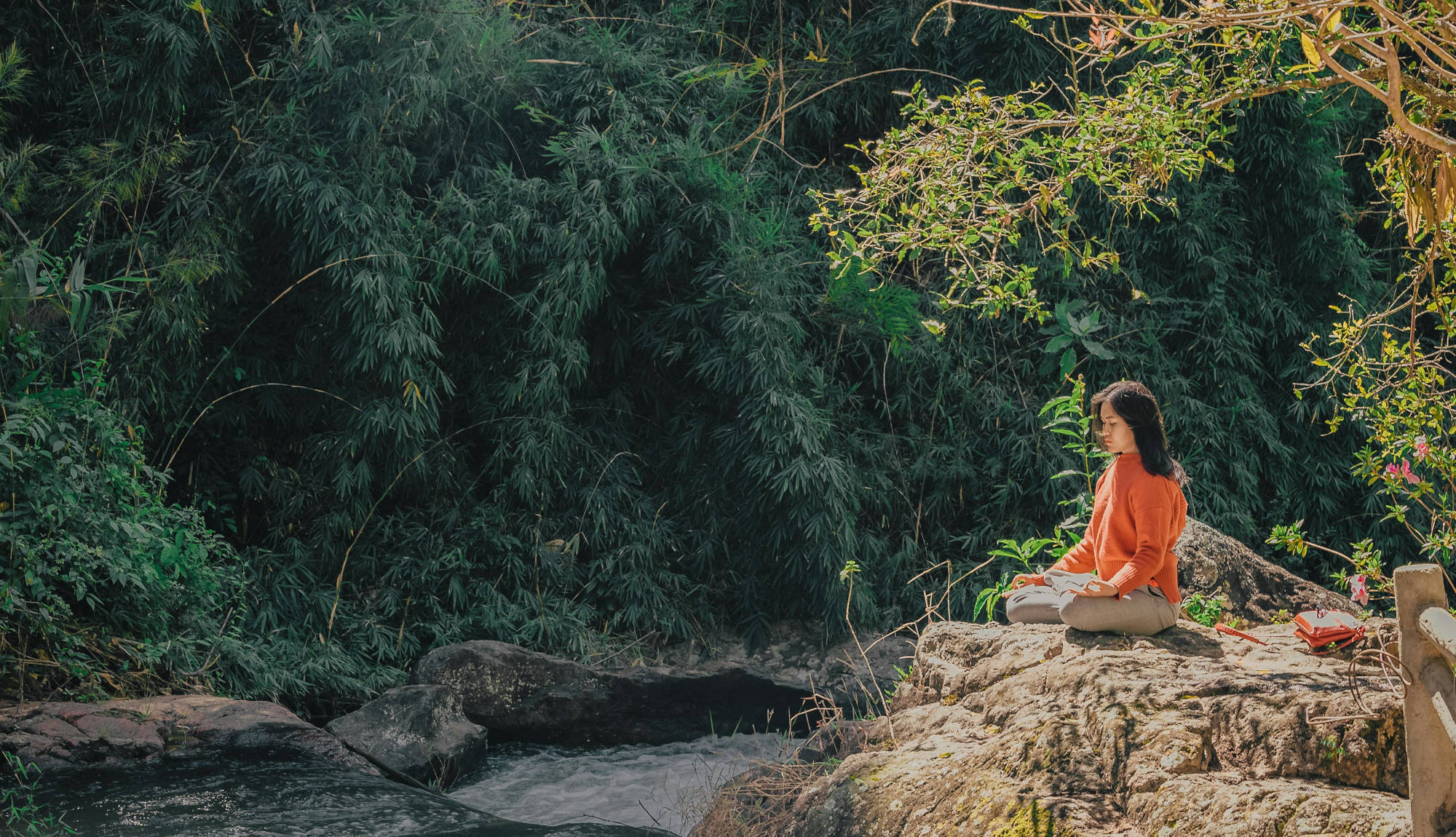
When people hear the word “meditation,” they often picture serene monks seated in lotus positions, spending hours in silence. While this is one valid form, meditation is incredibly adaptable. It doesn’t require incense, special cushions, or hours of spare time. It can take many forms, fitting seamlessly into your life, no matter how busy or unconventional it may be.
You can meditate while sitting quietly, focusing on your breath or an object in your environment. You can meditate by getting lost in the sound of leaves rustling in the wind or the melody of a favourite song. Even simple acts, like gardening or lying on a couch listening to a guided visualization, can slip you into that meditative state—a flow where time softens, and your awareness deepens.
The beauty of meditation is its accessibility. Whether you have five minutes on a busy morning or an hour on a restful evening, there’s a practice that can meet you where you are.
The Transformative Power of Guided Meditation
On this site, you’ll find an array of guided meditations tailored to different needs. From relaxing body scans to practices aimed at cultivating creativity, improving sleep, or overcoming anxiety, these meditations are designed to help you harness the potential of your mind.
Guided meditations are especially helpful when you’re starting out. They take the guesswork out of the practice, leading you step by step into a state of deep relaxation and focus. Over time, you’ll find yourself slipping more easily into this state, even without guidance.
I encourage you to explore the guided meditations here and experiment with what resonates most with you. Start small—perhaps with a short relaxation session—and observe how it makes you feel. Over the course of a week or two, you might notice subtle shifts: less tension in your shoulders, a calmer response to stress, or even a deeper sense of joy in your day-to-day life.
Rewriting Your Inner Script
One of the most profound ways meditation has impacted my life is through visualization. Once the body is relaxed and the mind quiet, meditation creates fertile ground for planting new mental seeds. This state of focus allows you to imagine scenarios so vividly that your body and mind respond as if they were real.
Think about a time when you’ve worried about an upcoming event, like a high-stakes job interview or a difficult conversation. Even though you were safe in the moment, your body likely reacted as if the stressor was already happening—your heart raced, your palms sweated, and your stomach churned. This is a reminder of how powerfully our thoughts can influence our physical state.
Now imagine flipping that script. What if, instead of replaying stressful scenarios, you used meditation to rehearse positive outcomes? Picture yourself stepping confidently onto that stage, speaking with ease and poise. Envision navigating a tough conversation with grace and understanding. When done regularly, these mental rehearsals can rewire your responses, building confidence and resilience over time.
Fine-Tuning Your Inner Engine
Meditation isn’t just about stress relief—it’s a tool for growth and self-improvement. Through regular practice, you can address ingrained habits, shift unhelpful thought patterns, and even enhance specific skills.
For example, athletes and performers often use visualization to improve their craft. A violinist might mentally rehearse a challenging piece during meditation, or a hockey player might vividly imagine scoring the winning goal. This mental practice activates the same neural pathways as physical practice, enhancing performance.
But meditation isn’t just for sharpening skills. It can also help you confront deeper fears, release intrusive thoughts, and break free from cycles of stress. It’s like lifting the hood of your mind and tuning the engine, ensuring that it runs smoothly and efficiently.
Building Your Practice
The resources on this site are designed to make meditation approachable and impactful. Whether you’re looking to cultivate better sleep, reduce anxiety, or unlock creativity, there’s a meditation here to support you.
I recommend starting with something simple, like the Deep Relaxation and Stress-Relief Meditation. Make it a daily ritual, even if just for a week, and observe how your mind and body respond. Over time, you may find yourself drawn to meditations that address specific areas you want to explore or improve.
A Path to Lasting Change
Meditation has a cumulative effect. The more you practice, the more its benefits permeate your life. You’ll notice stressors losing their grip, clarity replacing confusion, and a deeper sense of calm settling over your days.
But the true power of meditation lies in its ability to change your relationship with yourself and the world around you. It teaches you to pause, reflect, and respond with intention rather than reacting out of habit. It opens the door to self-awareness, showing you the incredible potential that resides within.
Final Thoughts
Meditation is not a luxury; it’s a necessity in a world that pulls us in so many directions. It’s a gift you can give yourself—a daily act of self-care that pays dividends in peace, clarity, and resilience.
As you explore the meditations here, remember: there’s no right or wrong way to practice. The most important thing is to begin. Find a meditation that speaks to you, set aside a few moments each day, and let the practice unfold. Over time, you may find, as I have, that meditation becomes not just a tool for stress relief but a cornerstone of a richer, more intentional life.
With every breath, every moment of stillness, you’re investing in yourself—and that is always time well spent.

Leave a Reply