
Unhappiness
-

How perceived time pressure affects our lives
If you feel pressed for time on a daily basis, then you’re probably experiencing time poverty, and it’s a huge problem in society.
-
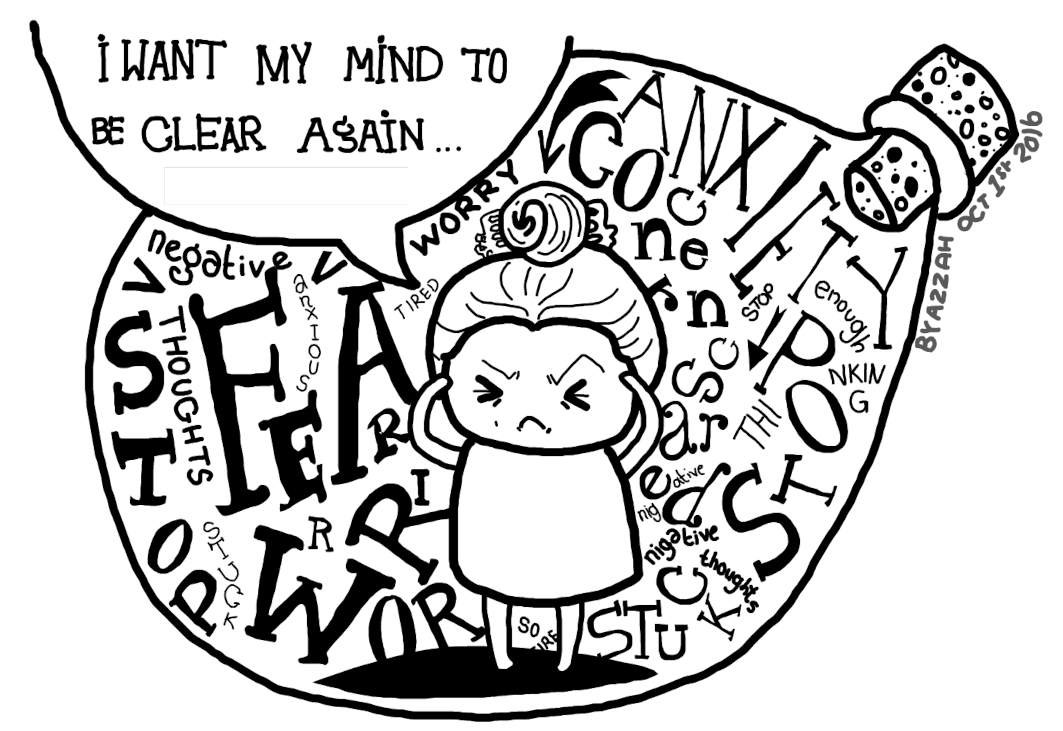
What if you realised a huge chunk of your stress could be avoided?
Each month, millions of people log online and ask, “How can I feel less stressed?” I think what they actually mean is, “How can I feel less stressed without changing anything?” But here’s the crux: if your life is stressful, then feeling less stressed may really require changing how you live.
-

Stress-Buster Programme: Introduction
The Stress-Buster Programme provides a comprehensive guide to identify and manage stress through a structured approach. It emphasizes ongoing adaptation and emotional regulation techniques like mindfulness and problem-solving. The Four-List Approach helps users pinpoint stress sources, fostering clarity and constructive responses to life’s challenges, ultimately promoting long-term well-being and happiness.
-

Stress-Buster, Section 1: The Vow
Let’s begin with a critical step in your journey: The Vow. This is not just a casual resolution or fleeting idea—it’s a solemn promise you’ll make to yourself. It’s a declaration of intent to tackle the stress in your life head-on and start paving the way for a better, more fulfilling existence.
-

Stress-Buster, Section 2: Creating Your Broad Stressor List
In Section Two of the Stress-Buster Programme, individuals are guided to identify stress sources through creating two lists: one for stressors and another for positives in their lives. This reflection helps in recognizing overlapping areas where adjustments may alleviate stress. The section emphasizes commitment, perspective, and actionable changes as essential steps in reducing stress.
-

Stress-Buster, Section 3: Creating Your Specific Stressor List
The key to overcoming almost any problem is to break it down into smaller, manageable pieces. This approach transforms what might seem overwhelming into something achievable. Stress is no exception. By narrowing down the broad stressors you identified earlier into specific, actionable components, you can begin to regain a sense of control.
-

Stress-Buster, Section 4: Creating Your Solutions List
Section Four of the Stress-Buster Programme emphasizes shifting from identifying stressors to creating solutions. It highlights the importance of creativity, collaboration, and seeking help from trusted individuals. It’s good to brainstorm a wide range of solutions and prioritize them, celebrating every small victory in the pursuit of stress reduction.
-

Stress-Buster, Section 5: Reworking Your Solutions List
Section Five of the Stress-Buster Programme focuses on analyzing and revising potential solutions to stress, particularly related to stressful commutes. It emphasizes balancing internal mindfulness practices with practical external solutions, identifying personal “red lines” to refine options, and critically assessing ideas for feasibility. The process aims to empower individuals with effective, actionable strategies for stress…
-

Stress-Buster, Section 6: Final Checks – Is Everything in the Right Order?
Section Six of the Stress-Buster Programme encourages reflection on personal solutions for stress, emphasizing emotional barriers that influence choices. It highlights the need for adaptability and the importance of revisiting the options list as personal growth unfolds. The section concludes with motivation to take actionable steps towards reducing stress and reclaiming balance.
-

Stress-Buster, Section 7: Making Real Practical Changes
Section Seven of the Stress-Buster Programme emphasizes practical steps to address stressors by implementing easy changes based on previous insights. It encourages breaking down stressors, testing manageable solutions, and celebrating small wins. While the method promotes empowerment through actionable adjustments, it acknowledges that some deeper stressors require more effort and emotional investment to resolve.
-

Stress-Buster, Section 8: Navigating Social Stressors
Section Eight of the Stress-Buster Programme focuses on managing stressors related to challenging interpersonal relationships rather than logistical issues. Difficult conversations, such as negotiating with a boss or confronting a neighbor, can induce anxiety. The text emphasizes the importance of clear communication, emotional intelligence, and confidence in navigating these social dynamics effectively.
-

Stress-Buster, Section 9: Setting Boundaries Without Conflict
Section Eight of the Stress-Buster Programme focuses on managing stressors related to challenging interpersonal relationships rather than logistical issues. Difficult conversations, such as negotiating with a boss or confronting a neighbor, can induce anxiety. The text emphasizes the importance of clear communication, emotional intelligence, and confidence in navigating these social dynamics effectively.

You must be logged in to post a comment.